More pet owners across the UK are relying on dog walkers and pet sitters to care for their animals during busy workdays or when they are away. This means you are often responsible for their wellbeing in situations where quick thinking really matters.
Most days will be routine and enjoyable, but emergencies can still happen without warning. Knowing how to respond calmly and appropriately can make a real difference to a pet’s safety.
This guide explains practical pet first aid knowledge every UK dog walker and pet sitter should have.
Why Pet First Aid Matters in Your Role
Pet first aid is not about replacing veterinary care. It is about knowing how to respond in those crucial first moments before a vet takes over.
It helps you stay calm, act responsibly, and reassure clients that their pets are in safe hands. In many cases, your response can prevent a situation from becoming more serious.
- Improves your confidence in emergencies
- Helps protect animal welfare
- Builds trust with pet owners
- Strengthens your professional reputation
Staying Calm in an Emergency Situation
The way you respond emotionally often sets the tone for the situation. Animals can sense panic, which may make them more anxious or difficult to handle.
Before doing anything, pause and assess what is happening. This helps you avoid rushing into actions that may not be appropriate.
Start by checking whether the pet is breathing normally and responsive. Then look for visible injuries or immediate danger in the environment.
Common Pet Emergencies You May Face
In a dog walking or pet sitting role, you are more likely to encounter certain types of situations than others. These are usually linked to outdoor environments or sudden changes in health.
- Cuts or grazes from rough ground or objects
- Limping or suspected sprains
- Heat-related stress during warmer weather
- Ingestion of something unsafe
- Sudden anxiety or distress
These situations vary in severity, but all require calm assessment and appropriate action.
Basic First Aid Approach Every Pet Carer Should Know
Your role in an emergency is to stabilise the situation and get veterinary help when needed. You are not expected to diagnose or treat medical conditions.
The most important thing is to act safely and avoid making the situation worse.
Begin by ensuring the area is safe for both you and the animal. Then focus on keeping the pet calm and still while you assess next steps.
If there is bleeding, apply gentle pressure using a clean cloth and avoid unnecessary movement.
Handling Injuries Safely
When a pet is injured, movement should be kept to a minimum. Even small injuries can worsen if the animal becomes stressed or mobile.
Avoid touching or manipulating the injury unless absolutely necessary. Instead, focus on keeping the pet comfortable and stable until veterinary advice is available.
If a serious injury is suspected, transport should always be done carefully and in line with veterinary guidance.
Heat and Weather-Related Risks
Weather plays a bigger role in pet safety than many people realise. Even in the UK, heat can become dangerous during warmer months.
Dogs may show early signs of heat stress before it becomes severe. These can escalate quickly if not addressed.
If you notice heavy panting, weakness, or confusion, move the pet to a shaded and cooler area immediately. Offer small amounts of water and contact a vet if symptoms continue.
Building a Pet First Aid Kit
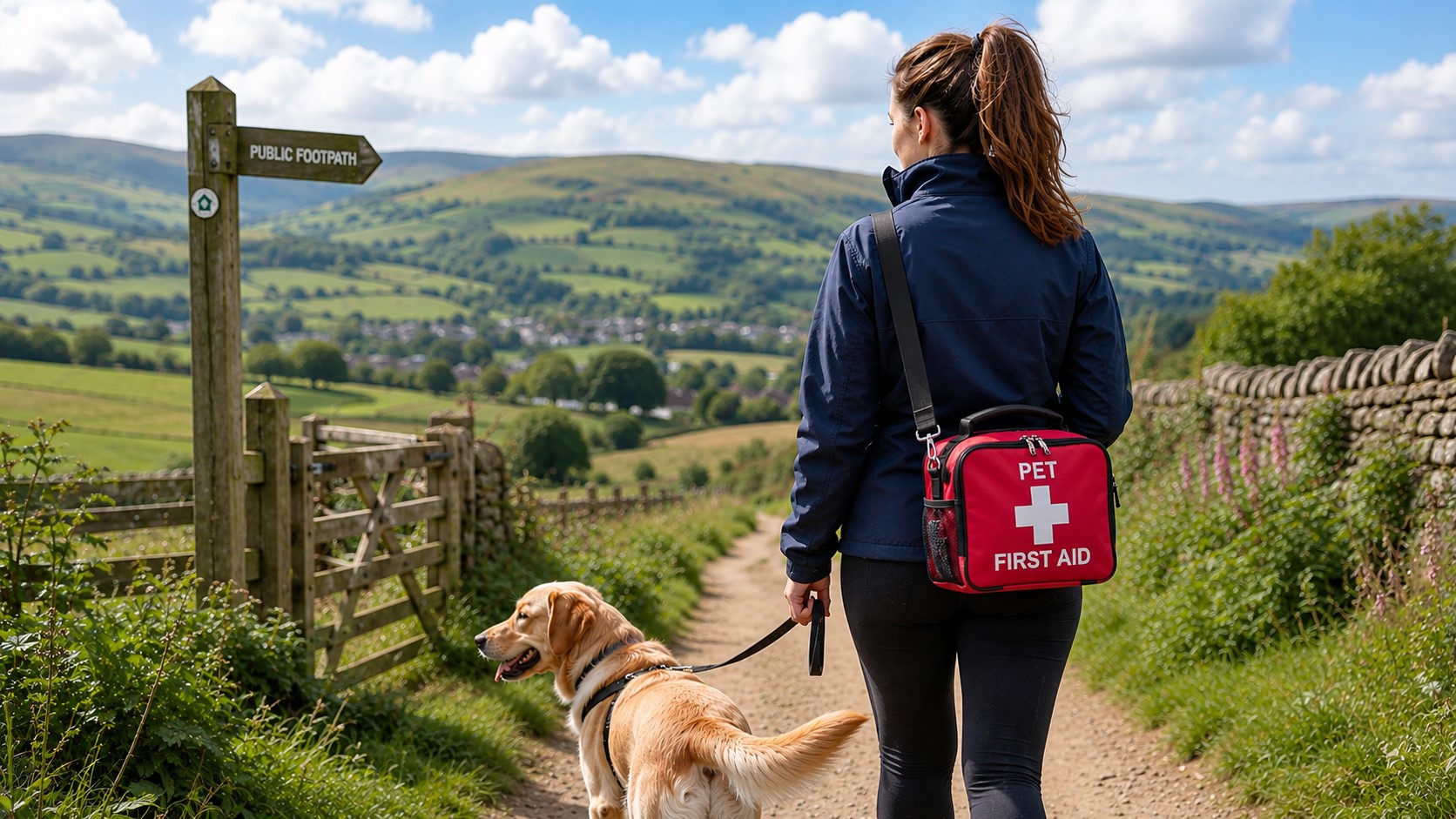
A basic first aid kit is a simple but essential part of professional pet care. It ensures you are prepared for minor incidents while out or during visits.
You do not need anything advanced or medical-grade, just practical supplies.
- Bandages and sterile gauze
- Disposable gloves
- Antiseptic wipes
- Clean cloth or towel
- Scissors
- Tweezers
- Blanket for warmth or comfort
Keep your kit accessible at all times during work.
Communication During Emergencies
Clear communication is just as important as physical action. Pet owners rely on you to keep them informed, especially in stressful situations.
Be calm, factual, and direct when describing what is happening. Avoid speculation and focus on what you can see.
Contact the owner as soon as possible and follow veterinary advice if it is required. Good communication helps build trust even in difficult moments.
Preventing Emergencies Before They Happen
Many pet-related incidents can be reduced or avoided with simple awareness. Prevention is a key part of responsible pet care.
Most risks occur during walks or outdoor activities, so observation is essential.
Always check walking routes for hazards, avoid unsafe environments, and monitor changes in behaviour. Small adjustments can significantly reduce risk.
Being a Professional Pet Carer
Pet first aid is part of what defines a responsible and professional dog walker or pet sitter. It shows that you are prepared for real-life situations, not just routine care.
Clients value carers who are calm, reliable, and capable of handling unexpected events.
Many professionals continue developing their knowledge through structured learning such as the Pet Sitting and Dog Walking Business Course, which helps strengthen both practical and business skills.
Being associated with organisations like NarpsUKcan also reinforce your credibility and professional standards. Accessing Membership Benefits can further support your business by providing guidance, resources and added trust with clients.
Learning from Common Mistakes
Even experienced pet carers can make mistakes in high-pressure situations. The important thing is recognising them early and improving over time.
Common issues include reacting too quickly without assessing, delaying veterinary contact, or not carrying basic supplies.
Understanding these mistakes helps you become more confident and reliable in real situations. It also strengthens your overall professionalism.
You can explore more about this in Top 10 Mistakes That Stop Pet Sitters Growing Their Business, which highlights broader business and operational challenges.
Why Ongoing Learning Matters
Pet care is a responsibility that evolves with experience. New situations and better practices continue to emerge in the industry.
Ongoing learning helps you stay prepared, confident, and up to date.
It also improves decision-making during emergencies and strengthens client trust over time. Even small improvements in knowledge can have a meaningful impact on your service quality.
As your business grows, using tools such as Pet Sitting and Dog Walking Software can also help you stay organised and manage client care more efficiently alongside your learning and development.
Conclusion
Pet first aid is an essential part of working as a dog walker or pet sitter in the UK. While emergencies are not common, being prepared ensures you can respond calmly and responsibly when they do occur.
Your role is to support the animal in those first critical moments before veterinary care is available. This helps protect their wellbeing and reassures owners that their pets are in safe hands.
With preparation, awareness, and continued learning, you can deliver a service that is both professional and trustworthy. Support from organisations like NarpsUK can further strengthen your confidence as you grow your business.
Frequently Asked Questions
What should I do first in a pet emergency?
Stay calm, assess the situation, ensure safety, and contact a vet if needed.
Is pet first aid training required in the UK?
It is not legally required but is highly recommended for professional pet carers.
What should be in a pet first aid kit?
Basic items such as bandages, gloves, antiseptic wipes, scissors, and a towel are essential.
Can I treat pets myself in an emergency?
No. First aid is only for stabilising the pet until veterinary care is available.