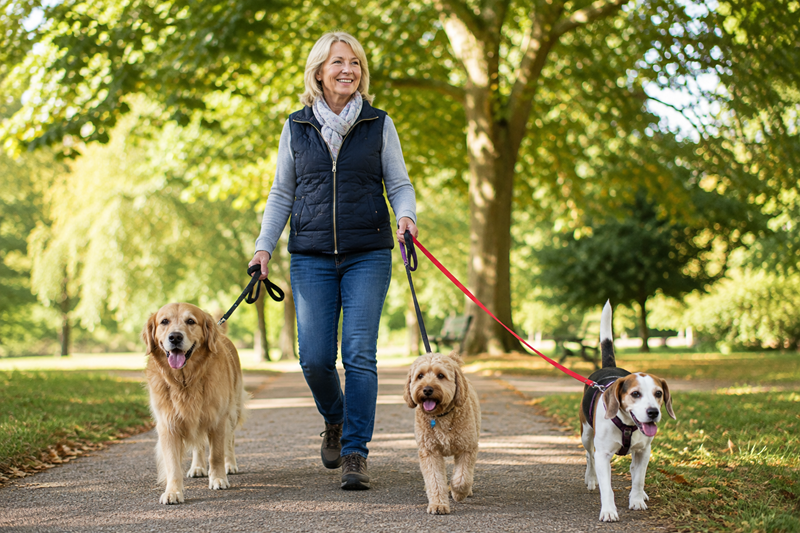
Starting a dog walking business in 2026 is one of the most accessible ways to turn your love for animals into a profitable and flexible career. With more households owning pets than ever before and many owners working long hours, the demand for reliable and professional dog walkers continues to grow.
However, building a successful dog walking business requires more than simply enjoying time with dogs. You need the right knowledge, legal setup, systems and professional credibility to earn the trust of pet owners.
This step-by-step guide explains how to start a professional dog walking business in 2026 — including training, business registration, pricing, marketing and the tools needed to run a modern pet care business.
Why Start a Dog Walking Business in 2026?
The UK pet care industry has experienced steady growth over the past decade. More people are returning to busy work schedules, travelling frequently or living in urban areas where dogs require structured daily exercise.
A dog walking business offers several advantages:
- Low start-up costs
- Flexible working hours
- Regular repeat clients
- Opportunities to expand into pet sitting and other services
With proper planning and professional standards, many dog walkers grow from a solo operation into a thriving pet care company with multiple walkers.
Step 1: Learn the Basics of Professional Pet Care
Many people assume that experience with their own dog is enough to begin walking other people's pets. In reality, professional dog walkers must understand important aspects of canine care and safety.
Key knowledge areas include:
- Dog behaviour and body language
- Safe handling and group walking techniques
- Managing dogs with different temperaments
- Emergency procedures and first aid
- Professional communication with clients
Completing a pet sitting and dog walking business course can provide essential knowledge and help you avoid common beginner mistakes.
Professional training can help you:
- Understand dog behaviour and stress signals
- Learn safe group walking practices
- Handle difficult or reactive dogs
- Develop professional policies and procedures
- Build credibility when promoting your services
Having recognised training also reassures potential clients that their pets are in capable hands.
Step 2: Join a Professional Industry Organisation
Trust is extremely important in the pet care industry. Pet owners want reassurance that their dog walker operates professionally and follows recognised standards.
Joining a professional organisation can strengthen your reputation. One of the leading industry organisations in the UK is NarpsUK (National Association of Pet Sitters & Dog Walkers).
This organisation supports thousands of pet care professionals by offering guidance, training and business resources.
Members can benefit from NarpsUK Membership Benefits, which may include:
- Professional business guidance
- Access to specialist insurance providers
- Training resources and learning materials
- Contracts and legal documentation templates
- Marketing support and industry advice
- Increased credibility when attracting new clients
Being part of a recognised association demonstrates professionalism and helps build trust with pet owners.
Step 3: Create a Dog Walking Business Plan
Even a small pet care business benefits from a clear business plan. Planning your services and pricing early can prevent problems later.
Your dog walking business plan should include the following elements.
Services
Decide which services you will offer. Common services include:
- Solo dog walks
- Group dog walks
- Puppy visits
- Pet sitting
- Holiday pet care
Many successful businesses eventually expand to offer both dog walking and pet sitting services.
Pricing
Dog walking prices vary depending on location, service type and experience.
Typical UK rates may include:
- £10–£15 for group dog walks
- £15–£25 for solo walks
When setting your prices, consider travel time, fuel costs, insurance, equipment and tax responsibilities.
Target Clients
Identifying your ideal clients helps you focus your marketing efforts. Common client groups include:
- Busy professionals
- Families with limited daytime availability
- Elderly pet owners
- Frequent travellers
Understanding your audience helps you tailor your services and communication.
Step 4: Register Your Business
Before accepting paying clients, it is important to establish your business legally.
Key steps include:
- Registering as a sole trader or limited company
- Obtaining appropriate pet business insurance
- Creating service agreements and client contracts
- Opening a business bank account
Depending on your local council, certain animal-related services may require licences or specific regulations.
Professional organisations such as NarpsUK often provide guidance on legal requirements and documentation.
Step 5: Invest in the Right Tools and Systems
Running a modern dog walking business involves managing schedules, client information, payments and communication.
Using Pet Sitting and Dog Walking Software can make your operations far more efficient and professional.
These systems can help with:
- Online bookings and scheduling
- Client and pet profiles
- Automated invoices and payments
- GPS walk tracking
- Route planning
- Messaging with pet owners
Automating administrative tasks saves time and allows you to focus more on caring for pets and growing your business.
Step 6: Build Your Brand and Online Presence
In 2026, most pet owners search online when looking for local pet care services. Establishing a strong online presence is therefore essential.
Create a Simple Website
Your website should clearly include:
- Your services and pricing
- Service areas
- Information about you and your experience
- Testimonials from clients
- Contact details or enquiry forms
Set Up a Google Business Profile
A Google Business Profile helps your business appear in local search results when people look for dog walkers in your area.
Use Social Media
Social media platforms such as Facebook and Instagram are particularly effective for dog walking businesses.
You can share:
- Photos from daily walks
- Happy client pets
- Pet safety tips
- Behind-the-scenes moments from your business
Pet-related content naturally attracts engagement and can help build trust with potential clients.
Step 7: Find Your First Clients
Getting your first few clients may take time, but once you establish trust, word-of-mouth recommendations can quickly grow your business.
Effective ways to attract your first clients include:
- Posting in local community or Facebook groups
- Advertising on neighbourhood noticeboards
- Partnering with veterinary clinics
- Building relationships with local pet shops
- Encouraging referrals from satisfied customers
Offering a free meet-and-greet can help potential clients feel comfortable before committing to regular bookings.
Step 8: Provide Excellent Service
Reputation is everything in the pet care industry. Delivering reliable and professional service will encourage repeat clients and referrals.
Successful dog walkers typically:
- Prioritise pet safety at all times
- Communicate clearly with owners
- Send updates and photos after walks
- Arrive punctually and consistently
- Keep detailed notes about each pet's needs
Happy clients often become long-term customers and recommend your services to others.
Step 9: Grow and Scale Your Business
Once your schedule becomes full, you may consider expanding your business.
Possible growth strategies include:
- Hiring additional dog walkers
- Expanding into pet sitting services
- Increasing your service area
- Offering service packages or subscriptions
As your business grows, using Pet Sitting and Dog Walking Software becomes even more valuable for managing multiple clients, bookings and staff.
Industry support from organisations such as NarpsUK can also help guide you through the process of expanding your pet care business.
Final Thoughts
Starting a dog walking business in 2026 can be a rewarding and flexible career for animal lovers. With the right preparation and professional approach, it is possible to build a reliable and profitable pet care business.
Key steps for success include:
- Completing a pet sitting and dog walking business course
- Taking advantage of NarpsUK Membership Benefits for professional support
- Using Pet Sitting and Dog Walking Software to streamline business operations
By combining passion for animals with proper training, organisation and excellent customer service, you can build a dog walking business that continues to grow for many years.
Frequently Asked Questions
1. Do I need qualifications to start a dog walking business in the UK?
You do not legally need formal qualifications to start a dog walking business in the UK. However, completing a pet sitting and dog walking business course can help you develop essential skills such as dog behaviour management, safe group walking and professional client communication. Training also demonstrates professionalism and can increase trust among potential clients.
2. How much does it cost to start a dog walking business?
Starting a dog walking business usually requires a relatively low investment. Typical start-up costs may include insurance, dog walking equipment, marketing materials and business registration. Many new dog walkers begin with an investment of £200 to £1,000, depending on whether they purchase professional equipment or enrol in training courses before launching their services.
3. How much can a dog walker earn in the UK?
Dog walker earnings depend on factors such as location, number of clients and the services offered. Many dog walkers charge between £10 and £15 for group walks and £15 to £25 for solo walks. With a consistent client base and full schedule, some professional dog walkers earn £20,000 to £35,000 annually, while larger pet care businesses may generate even higher income.
4. Do dog walkers need insurance in the UK?
Yes, professional dog walkers should obtain appropriate insurance before offering services to clients. Public liability insurance is particularly important as it protects you if a dog causes injury to a person or damages property while under your supervision. Many insurers provide specialist policies designed specifically for dog walking and pet sitting businesses.
5. What equipment do I need to start a dog walking business?
Essential dog walking equipment includes durable leads, harnesses, waste bags, a pet first aid kit, dog treats and portable water bowls. Some dog walkers also use secure vehicle crates or dog seat belts when transporting pets. Having the right equipment helps ensure the safety, comfort and wellbeing of the dogs in your care.
6. What software do dog walking businesses use?
Many professional pet care businesses use Pet Sitting and Dog Walking Software to manage their daily operations. These platforms can help schedule appointments, store client and pet information, process invoices and track walks using GPS. Using specialised software can save time, reduce administrative tasks and make your dog walking business appear more professional to clients.
7. Is dog walking a profitable business?
Yes, dog walking can be a profitable business because many clients require regular weekly walks for their pets. This creates reliable, recurring income for dog walkers. As your client base grows, you may also expand into services such as pet sitting, puppy visits or holiday pet care, which can significantly increase your overall earnings.
8. Should I join a professional dog walking organisation?
Joining a professional organisation can provide valuable support when starting your business. For example, NarpsUK offers guidance, training resources and industry advice for pet care professionals. Many new business owners benefit from NarpsUK Membership Benefits, which include business support materials, documentation templates and professional development opportunities.