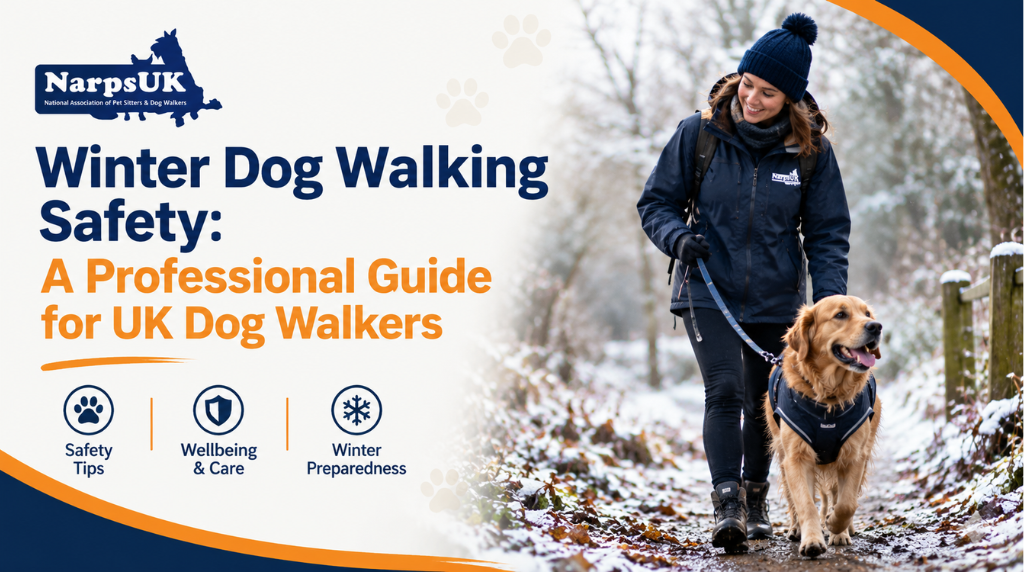
Winter brings shorter days, wet pavements, colder temperatures and reduced visibility. For professional dog walkers, these changes mean a routine outing may need extra planning. A clear winter safety process helps protect the dogs in your care, communicate confidently with clients and maintain a reliable service when conditions change.
Whether you are an experienced dog walker or building your pet-care business, these practical steps can help you assess risks, adapt walks and keep owners informed. The right approach depends on each dog’s age, size, coat, health and behaviour, as well as the conditions on the day.
Why Winter Safety Matters for Professional Dog Walkers
Dog owners trust you to make sensible decisions about their pets’ welfare. Winter marketing and scheduling pressures should never take priority over safety. A professional approach means checking conditions before leaving, recognising when a dog is uncomfortable, and being prepared to adjust a route or activity.
A winter routine should include:
- Checking weather conditions and route safety before each walk
- Using reflective or LED equipment in low light
- Adapting walk duration to the individual dog
- Checking paws and drying dogs after wet or gritty walks
- Keeping owner instructions and emergency contacts up to date
- Recording significant changes and communicating them clearly
Strategy 1 – Assess the Weather and Route Before Setting Out
Before collecting a dog, check the local forecast and consider the route you intend to take. Heavy rain, strong winds, ice, flooding and poor visibility can change the level of risk. A familiar path may become slippery or difficult to navigate after frost or heavy rain.
Choose well-maintained paths where possible, avoid frozen ponds and lakes, and be cautious around flooded areas or snow that may hide uneven ground. If conditions are unsafe, contact the owner to agree an alternative, such as a shorter local walk or suitable indoor activity. Do not follow the usual route simply because it is part of the normal schedule.
Strategy 2 – Improve Visibility in Darker Conditions
Dark mornings and early evenings can make it harder for drivers, cyclists and other path users to see you. Wear visible outer clothing and use suitable reflective or LED equipment where appropriate. Choose well-lit routes and take extra care near roads, driveways and junctions.
Visibility equipment is an additional safeguard, not a substitute for awareness and control. Keep dogs securely managed according to their training, the environment and the owner’s instructions. If recall is unreliable or visibility is poor, using a lead can help reduce the risk of a dog running into a road or disappearing from sight.
Strategy 3 – Adapt Walks to the Individual Dog
There is no single temperature or routine that suits every dog. Puppies, older dogs, smaller dogs, short-coated breeds and dogs with existing health conditions may need closer monitoring. A dog that usually enjoys a long walk may become uncomfortable sooner in cold, wet or windy weather.
Watch for signs that a dog is struggling, such as persistent shivering, lifting paws, slowing down, reluctance to continue or unusual behaviour. Stop and reassess rather than assuming the dog will adapt. Follow the owner’s care instructions and seek veterinary advice if symptoms are concerning or do not resolve. If you suspect an emergency, contact a vet promptly and inform the owner.
Strategy 4 – Protect Paws from Grit, Salt and Winter Hazards
Road grit and de-icing salt can irritate paws and may cause harm if a dog licks contaminated fur or feet. After a walk, check the paws and underside of the body and gently wipe away visible dirt, grit or salt. Dry the dog thoroughly, particularly if its coat is wet, and tell the owner about any cuts, soreness or persistent licking.
Keep dogs away from unknown spills and substances, including antifreeze, and do not allow them to lick puddles or eat material found on the ground. If you suspect a dog has swallowed a potentially poisonous substance, contact a veterinary professional immediately rather than waiting for symptoms.
Strategy 5 – Agree a Winter Care Plan with Every Client
Good communication is a core part of professional pet care. Confirm each dog’s routine, relevant health considerations, whether a coat is available and the owner’s preferences if a walk needs to be shortened or changed. Agree how you will contact the owner if conditions deteriorate or the dog appears uncomfortable.
Keep emergency contact details, the dog’s veterinary practice, care instructions and agreed alternatives up to date. Store this information securely and make it accessible to authorised people who need it. A consistent process reduces misunderstandings when the day becomes busy.
Strategy 6 – Keep Records and Business Administration Organised
If you alter a route, shorten a walk or provide an alternative activity, make a brief note of what changed and why. Clear records help you explain decisions to the owner and maintain continuity if another team member cares for the dog later. Keep booking details, client instructions and visit notes up to date.
As your client list grows, managing everything through separate messages, notebooks and calendars can become difficult. NarpsUK’s pet sitting and dog walking software can help pet-care professionals organise bookings, schedules, client and pet details, invoices and related administration. Choose systems that suit your business and handle client information responsibly.
Strategy 7 – Strengthen Your Professional Knowledge and Standards
Winter safety is one part of running a professional dog-walking service. Training can help you build your understanding of animal welfare, handling, client communication and business procedures. Review your insurance, service terms and emergency processes regularly, and make sure they reflect the services you actually provide.
NarpsUK supports new and established pet-care professionals through membership options, resources and training. Explore NarpsUK membership to learn about available support, and review the pet care and business courses to identify training relevant to your experience and goals.
Winter Dog Walking Safety Checklist
- Check the forecast, route and local conditions before each walk.
- Use suitable reflective or LED equipment in low light.
- Adapt the route and duration to the individual dog and conditions.
- Avoid frozen water, unsafe surfaces, flooding and unknown substances.
- Watch for signs of cold, pain, fatigue or distress.
- Wipe and dry the dog after wet or gritty walks.
- Keep owner instructions and emergency details current.
- Record significant changes and communicate them to the client.
How Professional Support Can Help
Pet-care professionals need more than a love of animals to run a reliable service. Clear procedures, accurate records, relevant training and professional resources can make day-to-day work easier and help clients understand the standards you follow.
If you want to strengthen your pet-care business, explore NarpsUK membership options, browse the available training courses, or learn more about the NarpsUK software and app.
Ready to Make Winter Walks Safer?
Safe winter dog walking comes down to preparation, observation and clear communication. Check conditions before leaving, adapt each walk to the dog in front of you, and record any important changes. These habits help protect animal welfare while showing clients that their pets are being cared for thoughtfully and professionally.
For further support with your pet-care business, visit NarpsUK Membership, explore NarpsUK Courses and find out how NarpsUK’s software can support your business administration.
Frequently Asked Questions (People Also Ask)
1. How cold is too cold for dog walking?
There is no single temperature that is safe or comfortable for every dog. Breed, size, coat, age, health, wind, rain and walk duration all matter. Monitor the individual dog and follow veterinary advice where health concerns exist.
2. Should dog walkers use reflective clothing in winter?
Reflective clothing and suitable LED or reflective equipment can improve visibility in low light. Choose well-lit routes where possible and remain alert around roads and other path users.
3. What should a dog walker do if a dog seems too cold?
Stop the walk, move the dog to a warmer and safer environment, and contact the owner. If the dog shows worrying symptoms such as marked lethargy, confusion or poor coordination, contact a vet urgently.
4. Should a professional dog walker change a route because of ice?
Yes. If a route is slippery or otherwise unsafe, choose a safer alternative or discuss a different arrangement with the owner. The usual route should never take priority over safety.
5. How can dog walkers keep winter care instructions organised?
Keep each dog’s routine, owner contact details, relevant health information and agreed alternatives up to date. A suitable record-keeping system or pet-care management software can help keep essential information organised