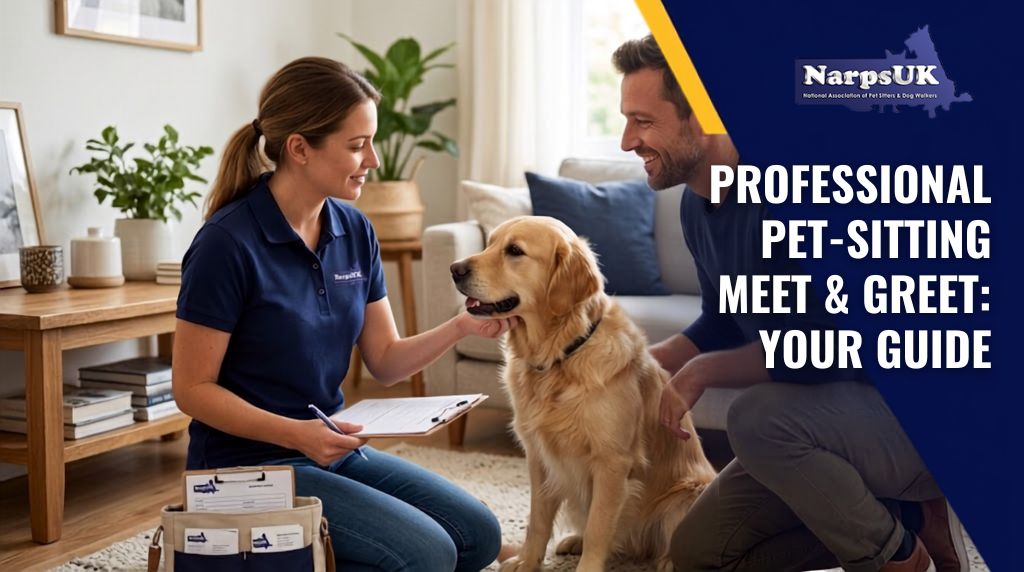
A meet-and-greet is an important part of taking on a new pet-sitting client. It gives you the opportunity to meet the owner, understand the pet’s needs and decide whether the booking is suitable for your business.
It also gives the client a chance to ask questions and understand how you work before care begins.
Quick Answer
A professional pet-sitting meet-and-greet should cover the pet’s routine, behaviour, health and care needs, the owner’s expectations, access arrangements and emergency contacts. It is also an opportunity to explain your service and decide whether the booking is right for both you and the client.
Why is a Pet-Sitting Meet and Greet Important?
A meet-and-greet gives you information that may not be clear from an initial phone call or online enquiry.
You can learn about the pet's normal routine, personality and individual needs while also understanding exactly what the owner expects from your service.
For example, an owner may tell you that their dog is friendly, but meeting the dog in person gives you an opportunity to understand how they respond to a new person. Similarly, a client may not initially mention that their pet needs medication, becomes anxious when left alone or has particular behavioural triggers.
The meeting is also your opportunity to explain your service clearly. Discussing what you can and cannot provide before accepting the booking can help prevent misunderstandings later.
Most importantly, a meet-and-greet works both ways. You need to decide whether the booking is suitable for you as well as whether the client feels comfortable choosing you.
How to Prepare for a Meet-and-Greet
Before the meeting, review the information the client has already provided and make a note of anything you need to clarify.
It helps to have a standard set of questions ready, but the conversation should still feel natural rather than like an interview.
You should also be clear about your own:
- services and availability
- prices and minimum booking requirements
- cancellation terms
- areas you cover
- types of pets or care you are comfortable handling
- approach to emergencies
- communication arrangements.
Having these details established before meeting a potential client makes it easier to explain your service consistently and confidently.
What to Ask About the Pet
The main purpose of the meet-and-greet is to understand the pet you will be caring for.
Give the owner time to explain the pet's normal routine, personality and individual needs. You should also observe the pet without expecting every animal to react enthusiastically to a new person. Some pets may be immediately friendly, while others may be nervous or cautious.
Routine and Daily Care
Ask about:
- feeding times and portion sizes
- preferred food and where it is stored
- exercise and walking routines
- toilet arrangements
- sleeping arrangements
- favourite toys or activities
- treats or foods to avoid
- how the pet normally settles when left alone.
Don't rely on assumptions about what is normal. One client's expectations about exercise, feeding or daily care may be very different from another's.
Health and Medication
Find out whether the pet has:
- any current health conditions
- allergies or dietary restrictions
- regular medication
- mobility issues
- recent injuries or illnesses
- ongoing treatment
- specific veterinary instructions.
If medication is required, make sure you understand what the owner expects you to do and whether you are comfortable providing it.
It is also important to establish what the owner wants you to do if the pet becomes unwell or injured while in your care. Find out which veterinary practice they normally use and who should be contacted if the owner is unavailable.
Behaviour and Triggers
Ask about situations that may cause the pet to become anxious, defensive, excitable or difficult to manage.
This might include:
- unfamiliar people
- other dogs or animals
- loud noises
- being left alone
- handling
- food or toys
- travelling
- particular environments or situations.
You should also ask whether there have been any previous incidents involving biting, escaping, aggression or other behaviour that could affect how the pet needs to be managed.
The purpose is not to judge the pet. It is to make sure you have an honest understanding of what caring for the animal will involve.
Check the Practical Arrangements
Once you understand the pet's needs, discuss how the service will work in practice.
If you are visiting the client's home, establish:
- how you will access the property
- where keys should be kept
- alarm or security arrangements
- where food, medication and other supplies are stored
- which areas of the property you should use
- where the pet normally stays
- what to do if you cannot gain access.
If you provide house sitting, make sure both sides understand what is included in the service and what is not.
For home dog boarding, discuss the arrangements at your own premises, including sleeping areas, routines, interactions with other pets and any separation arrangements that may be necessary.
Discuss Emergency Arrangements
Before accepting the booking, make sure you know what to do if something unexpected happens.
Clarify:
- who should be contacted first
- who can make decisions if the owner is unavailable
- which veterinary practice normally treats the pet
- whether there are specific medical instructions
- what the owner expects you to do in an emergency.
You don't need to make the conversation unnecessarily alarming. The aim is simply to have a clear plan before you are responsible for the pet.
Explain How Your Service Works
Once the meet-and-greet is finished, take a few moments to review the information you have gathered before confirming the booking. Make sure you are comfortable with the pet’s needs, the owner’s expectations and the practical arrangements involved.
If you decide to accept the booking, confirm the agreed dates, services and any important care instructions with the client. Keeping communication clear from the beginning can help create a positive working relationship and provide a strong foundation for building long-term client relationships as a pet sitter or dog walker.
If you have concerns about the booking, it is better to raise them before agreeing to provide care rather than discovering a problem once the booking has started.
Use Professional Forms and Records
A meet-and-greet can generate a lot of useful information, so don't rely entirely on memory.
Important details should be recorded using appropriate client and pet information forms or agreements.
NarpsUK members can access pet sitting and dog walking forms and contracts to help structure the administrative side of running a professional pet-care business.
Depending on the service, the information you record may include:
- owner and emergency contact details
- pet details
- feeding and exercise instructions
- medication information
- behavioural considerations
- veterinary details
- access arrangements
- agreed services
- important client instructions.
The exact information you need will depend on your service and business processes.
Decide Whether the Booking Is Right for You
Not every enquiry will be the right fit for your business.
A meet-and-greet may reveal that:
- the pet needs care you cannot safely provide
- the client's expectations don't match your service
- the required hours don't fit your availability
- the pet's behaviour presents challenges beyond your experience
- the owner wants services you don't offer
- the booking creates a safety or practical concern.
It is better to decline a booking professionally than accept responsibility for an arrangement you are not equipped to manage.
If you decide that the booking isn't suitable, thank the owner for meeting with you and explain that you don't believe your service is the right fit for their requirements.
What to Do After the Meet-and-Greet
Once the meeting is over, review the information while it is still fresh in your mind.
Ask yourself:
- Do I understand what the client expects?
- Do I understand the pet's needs and routine?
- Am I comfortable providing the requested care?
- Have any safety or practical concerns been identified?
- Do I have enough information to decide whether to accept the booking?
If you decide to proceed, confirm the agreed service and make sure the necessary client information and documentation are completed before the booking begins.
NarpsUK also provides pet sitting and dog walking information sheets to support members with the practical side of running a pet-care business.
Keep Your Meet-and-Greet Process Consistent
As your business grows, having a repeatable process can help you avoid overlooking important information.
A simple approach is:
Before the meeting: Review the enquiry and prepare your questions.
During the meeting: Discuss the pet's routine, health, behaviour and care requirements.
Clarify the service: Explain what you provide, your expectations and any relevant terms.
Assess suitability: Consider whether the booking is appropriate for you, the client and the pet.
Record the details: Document important information and agreed arrangements.
Follow up: Confirm the next step with the client.
You don't need to make every meet-and-greet identical, but a consistent process can make client onboarding more organised and professional.
A Professional Meet-and-Greet Sets the Tone for the Booking
A successful pet-sitting relationship starts before the first visit.
A well-conducted meet-and-greet gives you the opportunity to understand the pet, establish the client's expectations, identify potential issues and decide whether the booking is right for your business. It also gives the owner confidence that you are taking their pet's care seriously.
The goal isn't to ask as many questions as possible. It is to have the right conversation before you take responsibility for someone else's pet.
By preparing properly, listening carefully and documenting important information, you can make the transition from initial enquiry to confirmed booking more organised and professional.
Frequently Asked Questions
What should I ask at a pet-sitting meet-and-greet?
Ask about the pet's daily routine, feeding, exercise, behaviour, health, medication and any special care requirements. You should also discuss emergency contacts, access arrangements and what the owner expects from your service.
How long should a pet-sitting meet-and-greet take?
There is no single correct length. Allow enough time to understand the pet's needs, discuss the service and answer the owner's questions without rushing the conversation.
Should I meet the pet before accepting a booking?
A meet-and-greet is a useful way to understand the pet and the client's requirements before accepting a booking. It also gives you an opportunity to decide whether you are comfortable providing the requested care.
What if a pet is nervous during the meet-and-greet?
Give the pet space and avoid forcing an interaction. Ask the owner about the pet's normal behaviour around unfamiliar people and consider whether you have the experience and arrangements needed to care for them comfortably.
Can I decline a pet-sitting booking after the meet-and-greet?
Yes. If the pet's needs, behaviour, requested service or other circumstances fall outside what you can safely or professionally provide, it may be better to decline the booking.